Introduction
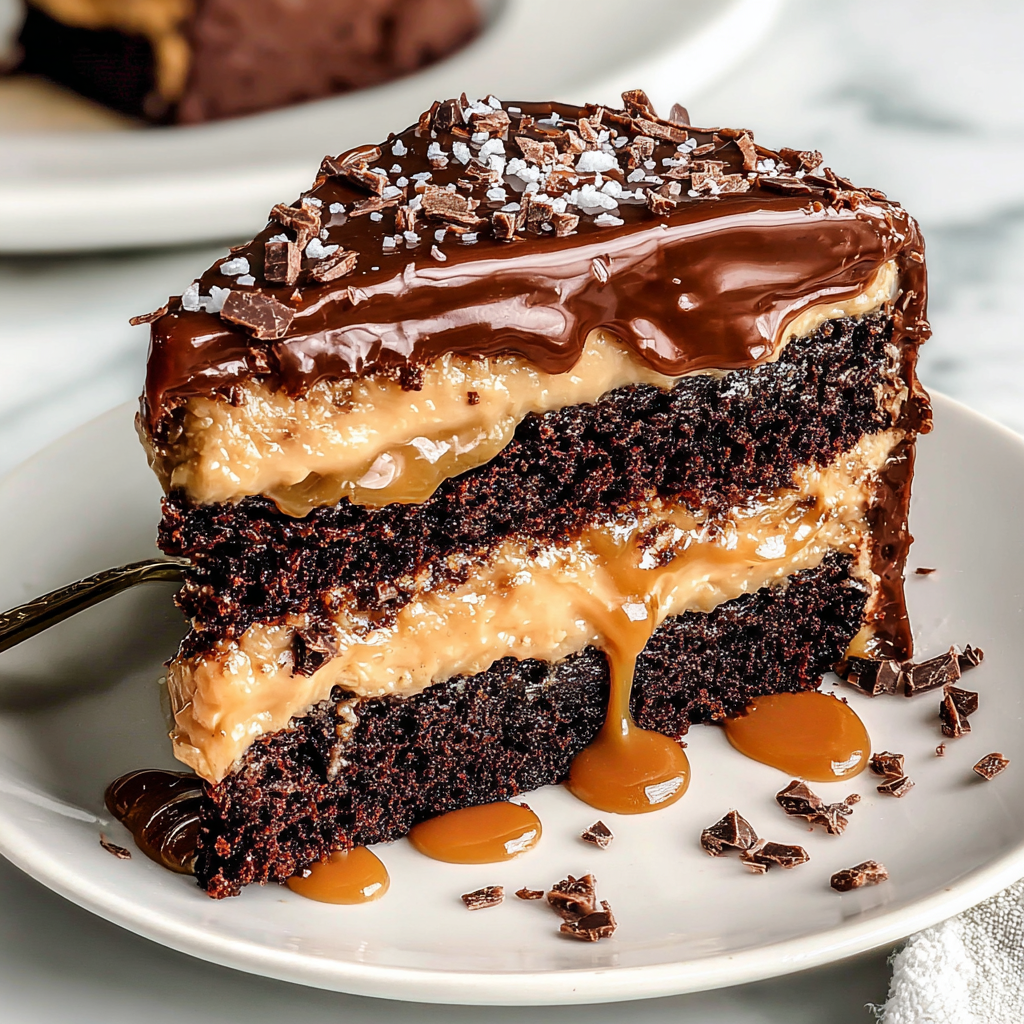
Chocolate caramel cake is a divine treat that perfectly balances rich chocolate with luscious caramel. This cake is an ideal centerpiece for celebrations or a comforting indulgence for yourself on a quiet evening.
The layers of moist chocolate cake and velvety caramel create an unforgettable harmony of flavors. With each bite, the sweetness of the caramel melts into the deep richness of chocolate, making it a showstopper for any dessert table.
Ingredients
- 2 cups all-purpose flour
This forms the structural base of the cake, providing the necessary gluten for a soft yet sturdy texture. - 2 cups granulated sugar
Sugar not only sweetens the cake but also aids in browning, resulting in a caramelized crust. - 3/4 cup unsweetened cocoa powder
Cocoa powder gives the cake its rich chocolate flavor while also contributing to the cake's moisture. - 1 1/2 teaspoons baking powder
This leavening agent helps the cake rise, creating a light and airy texture. - 1 1/2 teaspoons baking soda
Baking soda works in conjunction with the acidic components in the recipe, helping to provide that perfect lift. - 1 teaspoon salt
Salt enhances the overall flavor of the cake, balancing sweetness and highlighting the chocolate. - 2 large eggs
Eggs act as binders, giving structure to the cake, while also adding richness. - 1 cup whole milk
Milk hydrates the dry ingredients and adds moisture, ensuring the cake is tender. - 1/2 cup vegetable oil
Oil provides a moist texture and helps maintain softness, contributing to a moist crumb. - 2 teaspoons vanilla extract
Vanilla adds depth of flavor, rounding out the sweetness and enhancing the chocolate. - 1 cup caramel sauce
The star of the cake, caramel sauce adds sweetness and a creamy texture that complements the chocolate. - 1 cup heavy cream
Used for whipped topping, heavy cream contributes to a luxurious, rich finish that balances the cake. - Chocolate shavings or sprinkles (for garnish)
These add visual appeal and an additional layer of chocolate flavor to the dessert.
Directions & Preparation
Step 1: Preheat the oven to 350°F (175°C).
Preheating the oven is crucial as it ensures that the cake will bake evenly from the moment it goes in. A properly heated oven helps in achieving the right rise and texture.
Step 2: Grease and flour two 9-inch round cake pans.
Properly greasing and flouring the pans prevents the cake from sticking, allowing for easy removal once baked. This step also helps maintain the cake’s shape.
Step 3: In a large mixing bowl, combine flour, sugar, cocoa powder, baking powder, baking soda, and salt.
Mixing the dry ingredients thoroughly will ensure an even distribution of leavening agents, leading to uniform rise and texture throughout the cake.
Step 4: In another bowl, whisk together eggs, milk, oil, and vanilla extract until well combined.
This step allows you to incorporate air into the wet ingredients, which helps in creating a light texture in the final cake.
Step 5: Gradually add the wet mixture to the dry ingredients, stirring until just combined.
Mixing too much at this stage can result in a dense cake. Stir until you no longer see dry flour for the best texture.
Step 6: Divide the batter evenly between the prepared pans.
Using a kitchen scale or measuring cups can help ensure an even distribution of batter, which leads to evenly baked layers that stack well.
Step 7: Bake for 30-35 minutes or until a toothpick inserted in the center comes out clean.
Monitoring the baking time allows you to catch the cake at its peak doneness, avoiding dry or overcooked texture.
Step 8: Allow the cakes to cool in the pans for 10 minutes before inverting them onto a wire rack to cool completely.
Cooling the cakes in the pan helps them set, while inverting prevents the bottoms from becoming soggy.
Step 9: Once cool, place one layer of cake on a serving platter and spread a generous layer of caramel on top.
Adding caramel at this stage allows it to seep into the cake slightly, enhancing flavor and moisture.
Step 10: Position the second cake layer on top, then frost the entire cake with whipped cream.
Frosting the cake evenly helps create a pleasing appearance while providing contrast between the chocolate cake and the creamy topping.
Step 11: Drizzle additional caramel sauce over the top and garnish with chocolate shavings or sprinkles.
This final touch adds visual appeal, enhances the dessert's indulgence factor, and provides a delightful textural contrast.

Choosing the Right Chocolate for Your Cake
The type of chocolate you use can significantly affect the flavor of your cake. Opt for high-quality cocoa powder and chocolate bars for a deep, rich taste. Dark chocolate works well for a more intense flavor, while milk chocolate can enhance sweetness. Don't shy away from experimenting with different chocolate types to find your perfect balance.
Tips for Perfecting Your Caramel Sauce
Making caramel sauce can be tricky, requiring careful attention to avoid burning. Always use a heavy-bottomed sauce pan to ensure even heat distribution. Have your cream ready and warm, so it mixes well with the hot caramel. If your caramel turns grainy, continue to heat gently, stirring constantly to achieve a smooth consistency.
Serving Suggestions for Chocolate Caramel Cake
This cake pairs beautifully with a cup of coffee or a glass of milk, enhancing the chocolatey goodness. For a more festive touch, serve it with fresh berries like raspberries or strawberries, which add a refreshing counterpoint to the richness. A scoop of vanilla ice cream on the side can take the indulgence to another level.
FAQs
What should I do if my cake layers are too thin?
If your layers are too thin, you may not have divided the batter evenly or could have slightly overbaked them. For next time, measure the batter before pouring into the pans, and monitor baking time closely.
Why does my chocolate cake taste bland?
Blandness can result from insufficient salt or sugar. Ensure you measure these ingredients correctly and adjust to your personal taste if necessary.
How do I prevent my caramel from crystallizing?
To prevent crystallization, avoid stirring the caramel while it cooks. Use a wet brush to wash down any sugar crystals that form on the sides of the pan.
What if my caramel sauce is too thick?
If the caramel is too thick, you can gently heat it with a splash of cream or water until it reaches your desired consistency.
Can I use a different frosting instead of whipped cream?
Yes, cream cheese frosting or a ganache made from chocolate and cream would be excellent alternatives, adding unique flavors and textures.
How can I make my cake more decadent?
Incorporate chocolate shavings into the batter for added richness, or layer in some chopped nuts or chocolate chips for texture.
Conclusion
A chocolate caramel cake is not just a dessert; it's an experience. The blend of chocolate and caramel is designed to be shared, savored, and celebrated.
Whether it's a special occasion or an everyday treat, this cake is sure to impress your friends and family, leaving them craving more.
Recipe Card
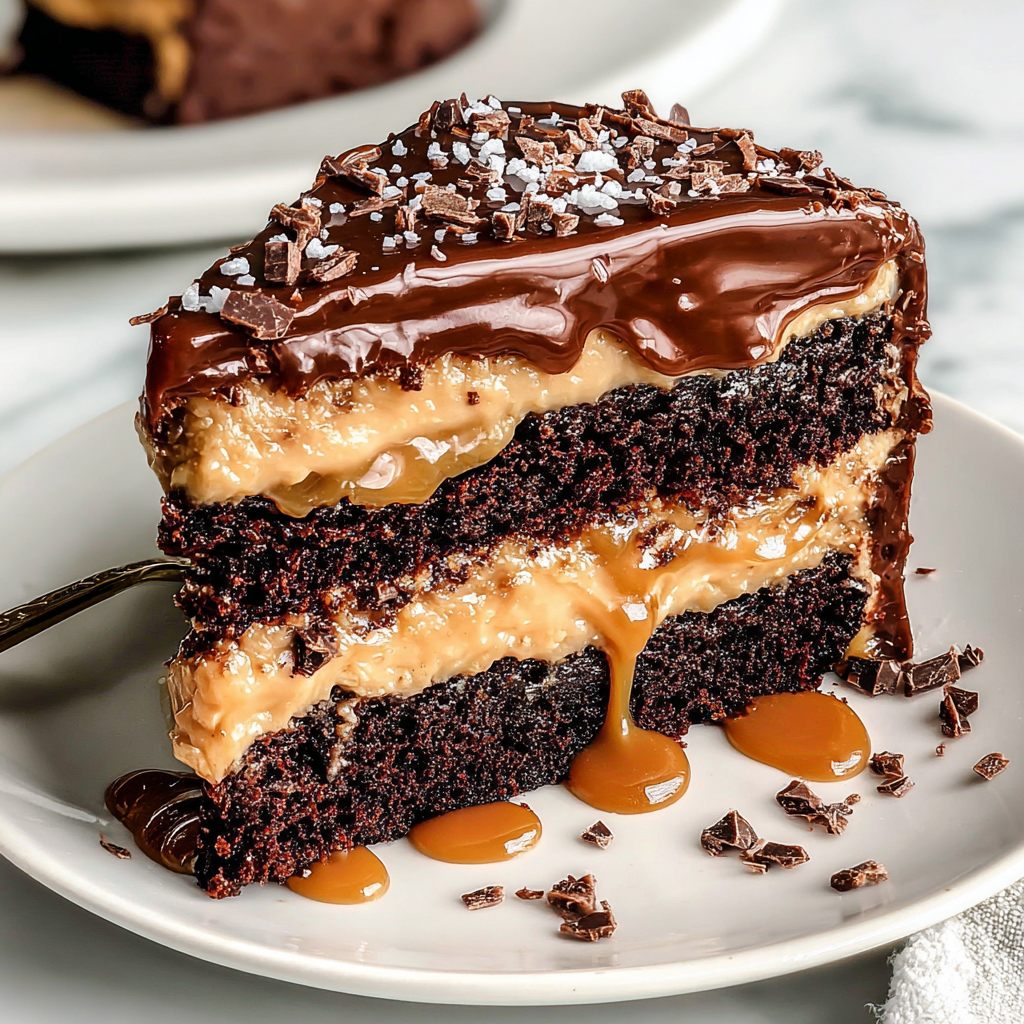
Decadent Chocolate Caramel Cake for Any Occasion
Ingredients
Method
- Preheat the oven to 350°F (175°C).
- Grease and flour two 9-inch round cake pans.
- In a large mixing bowl, combine flour, sugar, cocoa powder, baking powder, baking soda, and salt.
- In another bowl, whisk together eggs, milk, oil, and vanilla extract until well combined.
- Gradually add the wet mixture to the dry ingredients, stirring until just combined.
- Divide the batter evenly between the prepared pans.
- Bake for 30-35 minutes or until a toothpick inserted in the center comes out clean.
- Allow the cakes to cool in the pans for 10 minutes before inverting them onto a wire rack to cool completely.
- Once cool, place one layer of cake on a serving platter and spread a generous layer of caramel on top.
- Position the second cake layer on top, then frost the entire cake with whipped cream.
- Drizzle additional caramel sauce over the top and garnish with chocolate shavings or sprinkles.
Notes
Additional serving suggestions: pair with a crisp salad, garlic bread, or roasted seasonal vegetables for balance.
For make-ahead, prep components separately and assemble just before heating to preserve texture.
Taste and adjust with acid (lemon/vinegar) and salt right at the end to wake up flavors.