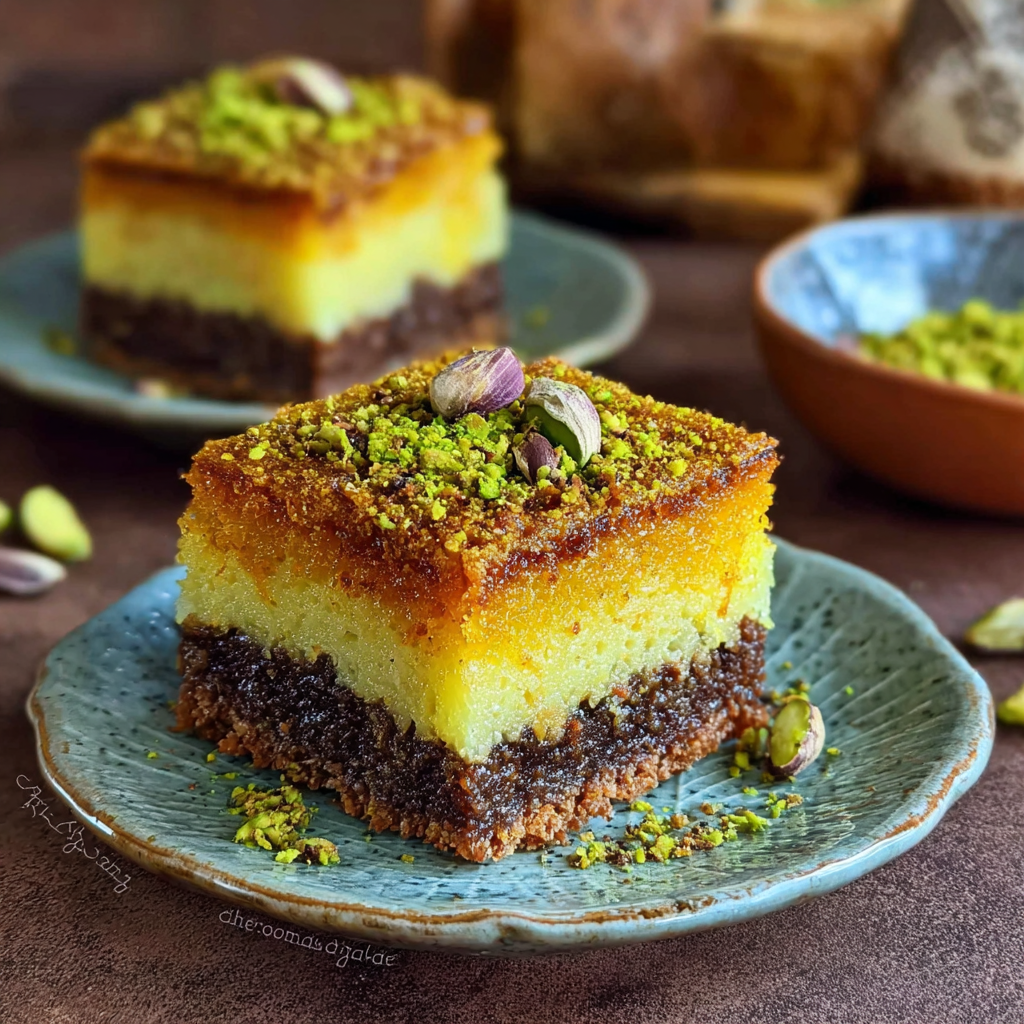
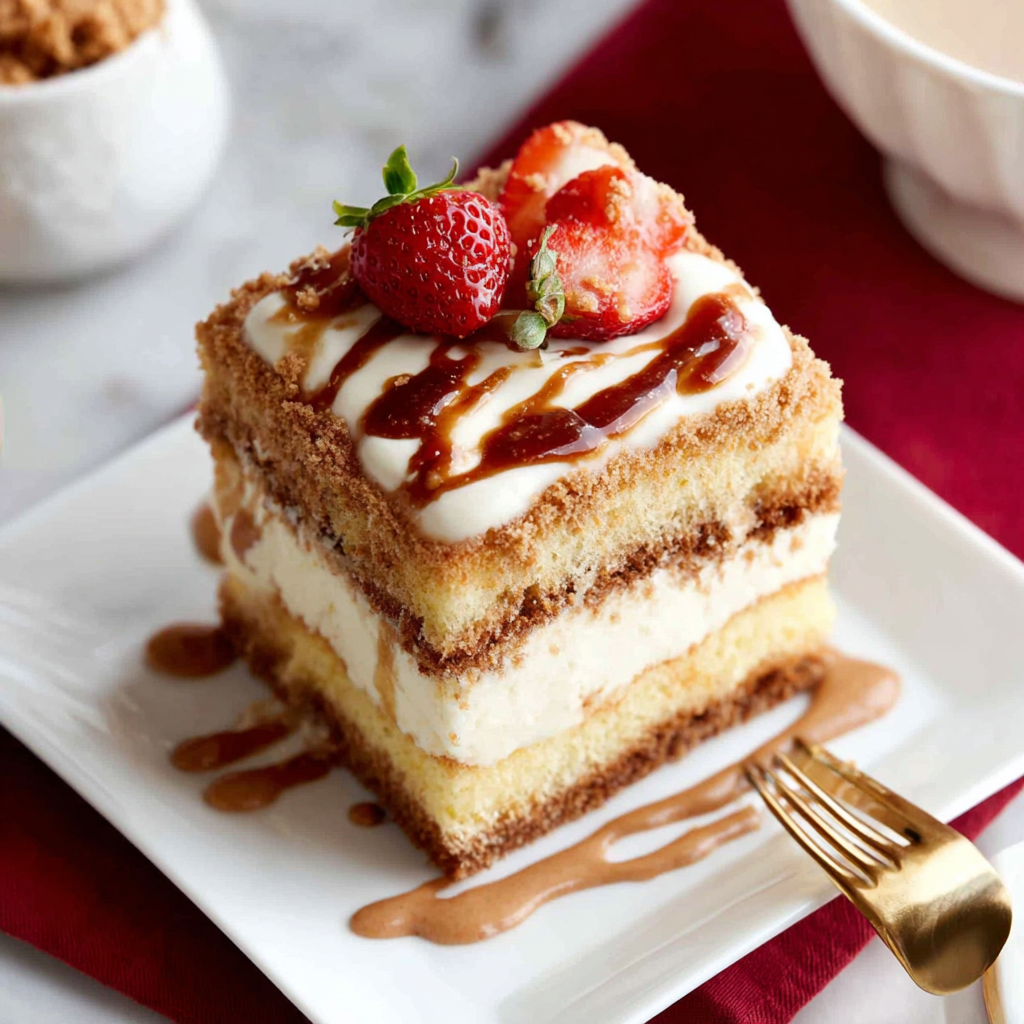
Introduction
Sponge cake is a classic dessert known for its light and airy texture, making it ideal for various occasions. This recipe features an exciting twist by incorporating Biscoff cookies and cream, creating an irresistible combination of flavors and textures. The rich, caramel-like taste of Biscoff enhances the sponge while the smooth cream adds an element of indulgence.
Whether you're celebrating a special occasion or simply satisfying your sweet tooth, this cake is sure to impress friends and family alike. With its delightful layers and simple preparation, making this dessert at home can be a rewarding experience.
Ingredients
- 4 large eggs
Eggs provide structure and moisture to the cake, helping it rise and maintain its light, airy texture. They also contribute to the overall flavor of the sponge. - 120 grams granulated sugar
Sugar sweetens the cake and helps create a stable foam when whipped with eggs. It aids in browning the sponge during baking, contributing to a pleasing color and flavor. - 100 grams all-purpose flour
Flour serves as the primary structure-building component, providing the necessary foundation for the sponge. The type of flour can affect the cake's texture. - 1 teaspoon baking powder
Baking powder is a leavening agent that helps the sponge rise, giving it a light and airy quality. It creates small bubbles in the batter, adding to the cake's fluffiness. - 1/4 teaspoon salt
Salt enhances the flavor of the cake and balances the sweetness. It also strengthens the dough by improving gluten development. - 50 grams unsalted butter, melted
Melted butter adds richness and moisture to the sponge, contributing to its tender texture. It also enhances the flavor profile of the cake. - 200 grams Biscoff cookies, crushed
Crushed Biscoff cookies provide a unique flavor and texture, acting as a base for the cream layer and as an embellishment that complements the cake. - 250 mL heavy cream
Heavy cream is whipped to create a light, airy frosting that envelops the cake. Its richness pairs beautifully with the Biscoff flavor. - 50 grams powdered sugar
Powdered sugar sweetens the whipped cream and helps stabilize it, ensuring it maintains its volume and texture once whipped. - 1 teaspoon vanilla extract
Vanilla extract adds depth to the flavor of the cream, enhancing the overall taste and providing a fragrant aroma.
Directions & Preparation
Step 1: Preheat the oven to 175°C (350°F) and prepare a cake pan.
Preheating the oven ensures that the sponge cake bakes evenly from the moment it enters. Greasing and lining the cake pan will prevent the sponge from sticking and make it easier to remove after baking.
Step 2: In a large mixing bowl, whisk eggs and sugar until fluffy and pale.
Whisking the eggs and sugar incorporates air, which is crucial for achieving a light sponge. The mixture should double in volume and turn a light yellow color, signaling that sufficient air has been added.
Step 3: Sift together flour, baking powder, and salt, then gently fold into the egg mixture.
Folding prevents the loss of air incorporated during whipping. It's important to be gentle in this step to maintain the fluffy texture necessary for a proper sponge.
Step 4: Fold in melted butter until just combined, being careful not to overmix.
Adding butter brings richness to the cake but can deflate the batter if overmixed. Just mix until the streaks of butter disappear for a light texture.
Step 5: Pour the batter into the prepared cake pan and smooth the surface.
Smoothing the surface promotes even baking and helps the top of the cake rise uniformly. A well-distributed batter will result in a visually appealing final product.
Step 6: Bake in the preheated oven for 25-30 minutes, or until golden brown.
Baking time affects the cake’s texture and moisture retention. The cake should spring back when lightly pressed and pull slightly away from the pan sides when done.
Step 7: Allow the cake to cool in the pan for 10 minutes, then transfer to a wire rack.
Cooling the cake in the pan helps it firm up, making it less likely to break. Transferring it to a wire rack prevents sogginess by allowing air to circulate around the cake.
Step 8: Whip the heavy cream with powdered sugar and vanilla extract until soft peaks form.
Whipping creates air in the cream, resulting in a light and fluffy texture. Soft peaks indicate the cream is just the right texture to spread smoothly on the cake.
Step 9: Layer the crushed Biscoff cookies into the whipped cream, then set aside a portion for decoration.
This step incorporates the unique flavor of Biscoff into the cream while ensuring some is left for topping. The texture contrast between the smooth cream and crunchy cookies enhances the cake experience.
Step 10: Once the cake is completely cool, slice it horizontally and spread a layer of Biscoff cream in between.
Layering the cream between the layers of sponge adds flavor and moisture. The act of slicing the cake horizontally, also known as levelling, allows for an even distribution of cream and maintains balance during serving.
Step 11: Top the cake with the remaining whipped Biscoff cream and crushed cookies.
This last step provides a beautiful presentation and a burst of flavor with each slice. A generous dollop of cream coupled with cookie crumbs elevates the dessert visually and taste-wise.

The Charm of Biscoff in Desserts
Biscoff cookies, with their distinct caramel and spice flavor, lend an extraordinary twist to traditional desserts. When combined with a sponge cake, they not only enhance taste but also add texture that contrasts beautifully with the airy sponge. The nostalgic essence of Biscoff makes this dessert a crowd-pleaser, perfect for gatherings or indulgent personal treats.
Tips for the Perfect Sponge Cake
Achieving the light and fluffy texture of a sponge cake can be challenging. Key tips include ensuring all ingredients are at room temperature, using fresh eggs, and being gentle when folding in dry ingredients. Additionally, avoiding overmixing preserves the air whipped into the egg mixture, resulting in the delightful rise and mouthfeel characteristic of perfect sponge.
Creative Serving Ideas
While this Biscoff sponge cake is rich and satisfying on its own, consider pairing it with a side of fresh berries or a drizzle of salted caramel for an elevated dessert. Serving it with a scoop of vanilla ice cream adds a cool creaminess that plays off the warm flavors of the Biscoff. These variations can take the dessert from tasty to unforgettable.
FAQs
What if my sponge cake doesn't rise properly?
If your sponge cake doesn't rise, it could be due to under-whipping the eggs or mismeasuring the baking powder. Ensure that eggs are whipped until fluffy and include the right amount of leavening agents.
How can I prevent overcooking the cake?
Monitor the cake towards the end of the baking time. If it begins to brown too quickly, loosely cover it with foil. Use a toothpick to check for doneness—insert it into the center, and if it comes out clean, it's ready.
Can I use a different type of cookie instead of Biscoff?
You can experiment with other cookies, such as speculoos or ginger snaps, to retain a spiced flavor, but be mindful that the final taste may vary.
Why is my whipped cream too thick?
If your whipped cream is too thick, it may have been over-whipped. To rectify, gently fold in a bit of milk or cream until the desired consistency is achieved. This will restore a light texture.
What should I do if my cream layer is too thin?
If your cream layer is too thin, ensure you are using heavy cream and have whipped it to the correct consistency before applying. Additionally, check that the powdered sugar was adequately incorporated.
Why does my sponge have a dense texture?
A dense texture can result from overmixing the batter after adding flour, leading to gluten formation. Always be gentle during folding to keep the sponge light.
Conclusion
Making a sponge cake enriched with Biscoff and cream is a delightful way to experiment with classic tastes. The combination of airy sponge and creamy, spiced flavor creates an indulgent dessert that is both unique and approachable for any home cook.
Armed with this recipe, you can confidently create a delicious cake that brings joy to your table and is sure to leave an impression. Enjoy the process of baking and savor the delightful results of your hard work.
Recipe Card

Delicate Sponge Cake with Biscoff Cream Layers
Ingredients
Method
- Preheat the oven to 175°C (350°F) and prepare a cake pan.
- In a large mixing bowl, whisk eggs and sugar until fluffy and pale.
- Sift together flour, baking powder, and salt, then gently fold into the egg mixture.
- Fold in melted butter until just combined, being careful not to overmix.
- Pour the batter into the prepared cake pan and smooth the surface.
- Bake in the preheated oven for 25-30 minutes, or until golden brown.
- Allow the cake to cool in the pan for 10 minutes, then transfer to a wire rack.
- Whip the heavy cream with powdered sugar and vanilla extract until soft peaks form.
- Layer the crushed Biscoff cookies into the whipped cream, then set aside a portion for decoration.
- Once the cake is completely cool, slice it horizontally and spread a layer of Biscoff cream in between.
- Top the cake with the remaining whipped Biscoff cream and crushed cookies.
Notes
Additional serving suggestions: pair with a crisp salad, garlic bread, or roasted seasonal vegetables for balance.
For make-ahead, prep components separately and assemble just before heating to preserve texture.
Taste and adjust with acid (lemon/vinegar) and salt right at the end to wake up flavors.