Introduction
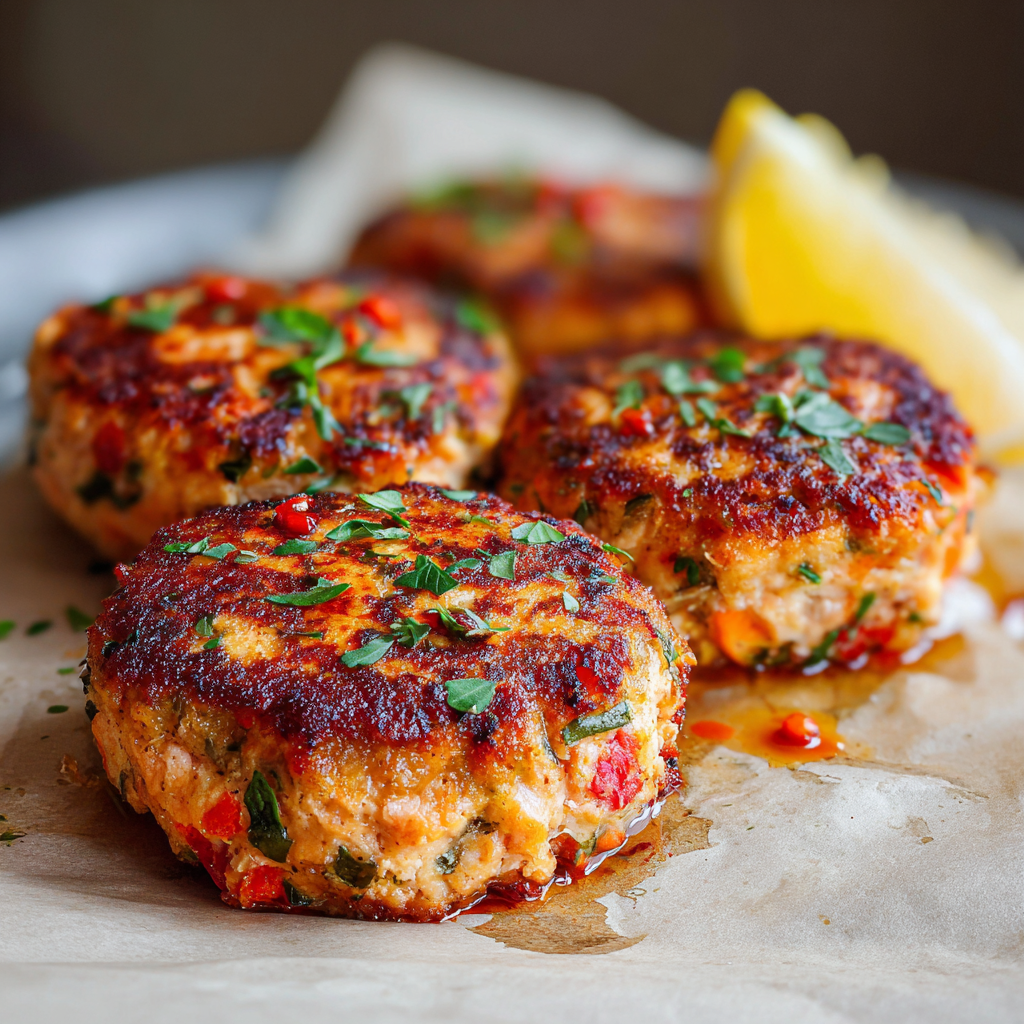
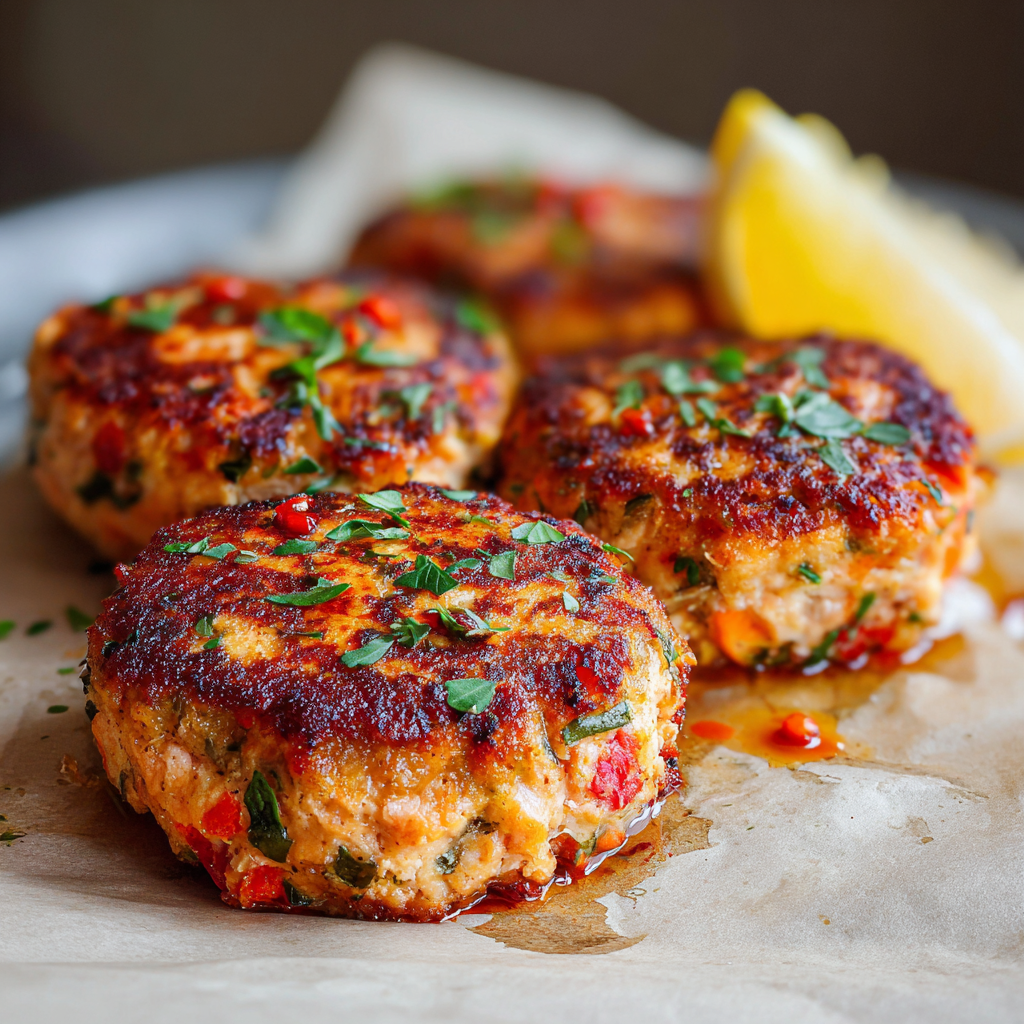
Baked salmon cakes are a delightful twist on traditional crab cakes, combining the rich flavors of salmon with a variety of fresh ingredients. They are not only easy to prepare but also provide a nutritious option that appeals to both adults and children alike.
This recipe highlights the versatility of salmon, enhanced by ingredients that bring out its natural richness. Whether served as an appetizer, a main course, or even on a sandwich, these salmon cakes can be a staple in your cooking repertoire.
Ingredients
- 1 pound fresh salmon fillets
The star of the dish, salmon provides a rich flavor while being packed with omega-3 fatty acids. Fresh fillets ensure moisture and tenderness in the cakes. - 1/2 cup breadcrumbs
Breadcrumbs act as a binder to hold the cakes together. They also provide a pleasant texture and help achieve a nice crust during baking. - 1/4 cup mayonnaise
Mayonnaise adds creaminess to the mixture and helps keep the cakes moist, preventing them from drying out during baking. - 1 large egg
Eggs serve as a binding agent, helping to hold all the ingredients together without overpowering the flavor. - 2 tablespoons Dijon mustard
Dijon mustard enhances the flavor profile with a bit of tanginess, balancing the richness of the salmon and mayonnaise. - 1/4 cup chopped fresh parsley
Fresh parsley adds a burst of color and a hint of herbal flavor, elevating the overall taste experience. - 1 tablespoon lemon juice
Lemon juice brightens the flavors and adds acidity, helping to cut through the richness of the salmon for a well-rounded dish. - 1/2 teaspoon salt
Salt is essential for enhancing the flavors of the ingredients. It brings out the natural taste of the salmon and the other components. - 1/4 teaspoon black pepper
Black pepper adds a mild heat and depth to the cakes, contributing to a more complex flavor profile.
Directions & Preparation
Step 1: Preheat the oven to 375°F (190°C).
Preheating the oven ensures that the salmon cakes cook evenly and develop a nice golden crust. An oven that’s too cool may result in soggy cakes, so give it enough time to reach the desired temperature before baking.
Step 2: Prepare the salmon by baking it until fully cooked.
Baking the salmon helps keep it moist while imparting a mild flavor. You can season the fillets with a bit of salt and pepper before baking, which adds essential seasoning to the fish and improves the final taste of the cakes.
Step 3: Flake the cooked salmon into a mixing bowl.
Flaking the salmon allows it to mix more evenly with the other ingredients, resulting in a better texture for the cakes. Aim for small, manageable pieces that will combine well without clumping.
Step 4: Add the breadcrumbs, mayonnaise, egg, Dijon mustard, parsley, lemon juice, salt, and pepper to the bowl.
Combining these ingredients now allows for a thorough mixing where the wet components bind the dry ones. Make sure to evenly distribute all the seasonings and extras to ensure every bite is flavorful.
Step 5: Mix the ingredients gently until just combined.
Be careful not to overmix, as this can lead to tough cakes. You want to blend everything well enough so that the ingredients are cohesive without breaking down the salmon into mush.
Step 6: Form the mixture into patties.
Shaping the cakes into uniform patties helps them cook evenly. Aim for about 1-inch thick patties to ensure they are cooked through while also maintaining a crispy exterior.
Step 7: Place the patties on a baking sheet lined with parchment paper.
Using parchment paper prevents sticking and makes cleanup a breeze. Giving each patty enough space helps them brown correctly by maintaining airflow around each cake.
Step 8: Bake for about 20-25 minutes, or until golden brown.
Baking the patties allows them to cook through evenly while developing flavor through roasting. Keep an eye on their color; you’re looking for a crisp, golden exterior.
Step 9: Serve warm with your choice of sauce or garnish.
The finishing touches can elevate the dish. Consider pairing with a tangy tartar sauce or a drizzle of lemon-dill sauce to complement the salmon's richness and add an extra layer of flavor.

Flavor Variations to Elevate Your Salmon Cakes
While the classic recipe is a delight on its own, consider adding flavor variations to elevate your salmon cakes. Incorporating minced garlic, chopped green onions, or even a bit of smoked paprika can impart new depths of flavor. If you're feeling adventurous, try adding finely diced jalapeños for a spicy kick or a splash of hot sauce to the mixture for a touch of heat.
Pairing Suggestions for Perfectly Balanced Meals
Baked salmon cakes pair wonderfully with a variety of sides and dips that complement their rich flavor. Consider serving them alongside a fresh green salad, roasted vegetables, or a simple coleslaw for a crisp contrast. Additionally, a creamy dill yogurt sauce or homemade remoulade can enhance each bite and bring a refreshing element to the dish.
Creative Ways to Serve Leftover Salmon Cakes
If you find yourself with leftover salmon cakes, don’t despair! They can easily be reinvented into a delicious brunch option by serving them on a toasted bagel with cream cheese and capers. Alternatively, they can be crumbled over a salad for a protein-packed lunch or added to a breakfast scramble with eggs for a satisfying start to the day.
FAQs
Can I use canned salmon instead of fresh?
Yes, canned salmon works well and is a convenient alternative. Just make sure to drain it properly and remove any skin or bones.
What should I do if the cakes are falling apart?
If the cakes are crumbling, consider adding an extra egg or some more breadcrumbs to help bind the mixture. Chilling the patties for 15-30 minutes before baking can also help them hold together better.
Can I spice up the flavor without changing the texture?
Adding finely diced vegetables like bell peppers or green onions can enhance the flavor without compromising texture. Just ensure not to add too much moisture.
What can I do if they end up too dry after baking?
If the salmon cakes are dry, consider serving them with a dipping sauce or dressing that adds moisture, such as a lemon aioli or tartar sauce.
Can I scale the recipe up for a larger gathering?
Absolutely, you can multiply the ingredients by the desired amount, but ensure even baking time may vary with the number of patties.
How do I know when the salmon cakes are done?
Look for a golden brown crust on the outside and check that they are firm to the touch. They should also be cooked through but still moist inside.
Conclusion
Baked salmon cakes are not only a delicious alternative to traditional seafood cakes but also a fantastic way to incorporate healthy fish into your diet. With their versatile flavors and easy preparation, they are sure to become a favorite in your kitchen.
Whether you serve them for a casual weeknight dinner or at a gathering, these salmon cakes will impress without overwhelming your schedule. Enjoy the cooking process and the delightful meal that follows.
Recipe Card
Delightful Baked Salmon Cakes You Can Make at Home
Ingredients
Method
- Preheat the oven to 375°F (190°C).
- Prepare the salmon by baking it until fully cooked.
- Flake the cooked salmon into a mixing bowl.
- Add the breadcrumbs, mayonnaise, egg, Dijon mustard, parsley, lemon juice, salt, and pepper to the bowl.
- Mix the ingredients gently until just combined.
- Form the mixture into patties.
- Place the patties on a baking sheet lined with parchment paper.
- Bake for about 20-25 minutes, or until golden brown.
- Serve warm with your choice of sauce or garnish.
Notes
Additional serving suggestions: pair with a crisp salad, garlic bread, or roasted seasonal vegetables for balance.
For make-ahead, prep components separately and assemble just before heating to preserve texture.
Taste and adjust with acid (lemon/vinegar) and salt right at the end to wake up flavors.