
Introduction
Classic New York-style cheesecake is a dessert that embodies indulgence. Characterized by its rich, creamy texture and buttery crust, this cheesecake has earned a cherished place in the hearts of dessert lovers. Unlike its lighter cousins, it leans into the substantial, offering both sustainment and satisfaction with each bite.
This dessert not only involves a simple list of ingredients but also a mastery of technique that ensures the final product is decadently smooth. Every component plays a crucial role in developing the signature flavor and texture. Dive in as we explore the components and steps necessary to create this classic treat at home.
Ingredients
- 2 cups graham cracker crumbs
Graham cracker crumbs form the foundation of the cheesecake crust, providing a crunchy texture that complements the creamy filling. Their slightly sweet and toasty flavor adds depth and a comforting quality. - ½ cup unsalted butter, melted
Butter helps bind the graham cracker crumbs together, ensuring a firm yet tender crust. It also infuses richness and flavor, enhancing the overall experience of the dessert. - 4 (8-ounce) packages cream cheese, softened
Cream cheese is the star of the cheesecake, providing the rich, velvety texture that defines this dessert. It should be at room temperature for smoother mixing, avoiding lumps. - 1 cup granulated sugar
Sugar sweetens the cheesecake and balances the tanginess of the cream cheese. It contributes to the overall flavor profile and helps in achieving that melt-in-the-mouth sensation. - 1 teaspoon vanilla extract
Vanilla extract elevates the overall flavor, lending a subtle warmth that harmonizes with the cheesecake. It is essential for enhancing the other ingredients. - 4 large eggs
Eggs serve as a binding agent that provides structure to the cheesecake. They help in achieving the perfect custard-like consistency, allowing the cheesecake to set beautifully. - ¼ cup sour cream
Sour cream adds a pleasant tang and creaminess to the cheesecake, enhancing its flavor complexity. It also contributes to the creamy texture, making it luxurious. - ¼ cup heavy cream
Heavy cream contributes to the richness of the cheesecake, adding a luscious mouthfeel. It helps to create a smooth and creamy texture when combined with the other ingredients.
Directions & Preparation
Step 1: Prepare the crust by mixing graham cracker crumbs and melted butter, then press the mixture into a springform pan.
The crust is paramount to the cheesecake’s structure. Ensure the crumbs are well combined with the butter before pressing them down firmly into the bottom of the pan, creating a sturdy base. Chill it in the refrigerator while preparing the filling to set.
Step 2: Preheat your oven to 325°F (160°C).
Preheating the oven is crucial for baking a cheesecake evenly. A properly heated oven ensures that the batter cooks through uniformly, preventing an uneven rise or cracks on the surface.
Step 3: In a large mixing bowl, beat the softened cream cheese until smooth and creamy.
This step is vital to achieving a lump-free batter. Begin mixing at low speed and gradually increase, focusing on incorporating air into the cream cheese without overmixing it, which can introduce cracks during baking.
Step 4: Gradually add sugar and beat until the mixture is light and fluffy.
Introducing sugar after the cream cheese adds sweetness while integrating it further into the mixture. This combination helps aerate the batter, contributing to a lighter cheesecake texture.
Step 5: Add the eggs one at a time, mixing thoroughly after each addition before adding the next.
Adding eggs singly helps maintain the mixture’s structure and prevents overmixing. Proper incorporation is critical to achieving an even bake and ensuring that the cheesecake rises appropriately.
Step 6: Incorporate sour cream and vanilla extract, mixing just until combined.
Adding sour cream and vanilla at this stage enriches the flavor with less risk of over-whipping. The goal is to maintain a smooth texture while blending these flavorful additives seamlessly.
Step 7: Pour the cheesecake filling into the prepared crust, smoothing the top with a spatula.
Even distribution of the filling leads to a polished final appearance and an overall even cooking experience. Take care to eliminate air bubbles for a flat top by gently tapping the pan on the counter.
Step 8: Bake in the preheated oven for approximately 60 minutes or until the center is set but slightly wobbly.
The right baking time is critical; the cheesecake continues to cook after being removed from the oven. A wobbly center indicates that it will firm up as it cools, promoting a creamy rather than a dry texture.
Step 9: Turn off the oven and crack the door, allowing the cheesecake to cool for about an hour inside.
Gradual cooling helps prevent cracks on the surface of the cheesecake. This method reduces temperature shock that can compromise the final presentation of your cheesecake.
Step 10: Remove from the oven and refrigerate for at least 4 hours, preferably overnight, before serving.
Chilling is essential for flavor development and texture solidification. Letting the cheesecake sit overnight allows all the flavors to meld seamlessly, resulting in a richer dessert.

The Art of Proper Cooling
Cooling your cheesecake correctly is just as crucial as baking it. By allowing it to cool gradually in the oven, you're reducing the chances of cracks forming across the surface. This gentle approach to cooling creates a smoother top and enhances the overall presentation, ensuring your cheesecake looks as good as it tastes.
Sour Cream vs. Cream Cheese
While cream cheese is essential for a classic cheesecake, adding sour cream transforms the dessert by imparting additional tanginess. This slight acidity balances the richness, complementing the creamy texture while enhancing the overall flavor profile. Experimenting with different ratios of sour cream to cream cheese can yield exciting developments in your cheesecake.
Serving Suggestions for the Perfect Finish
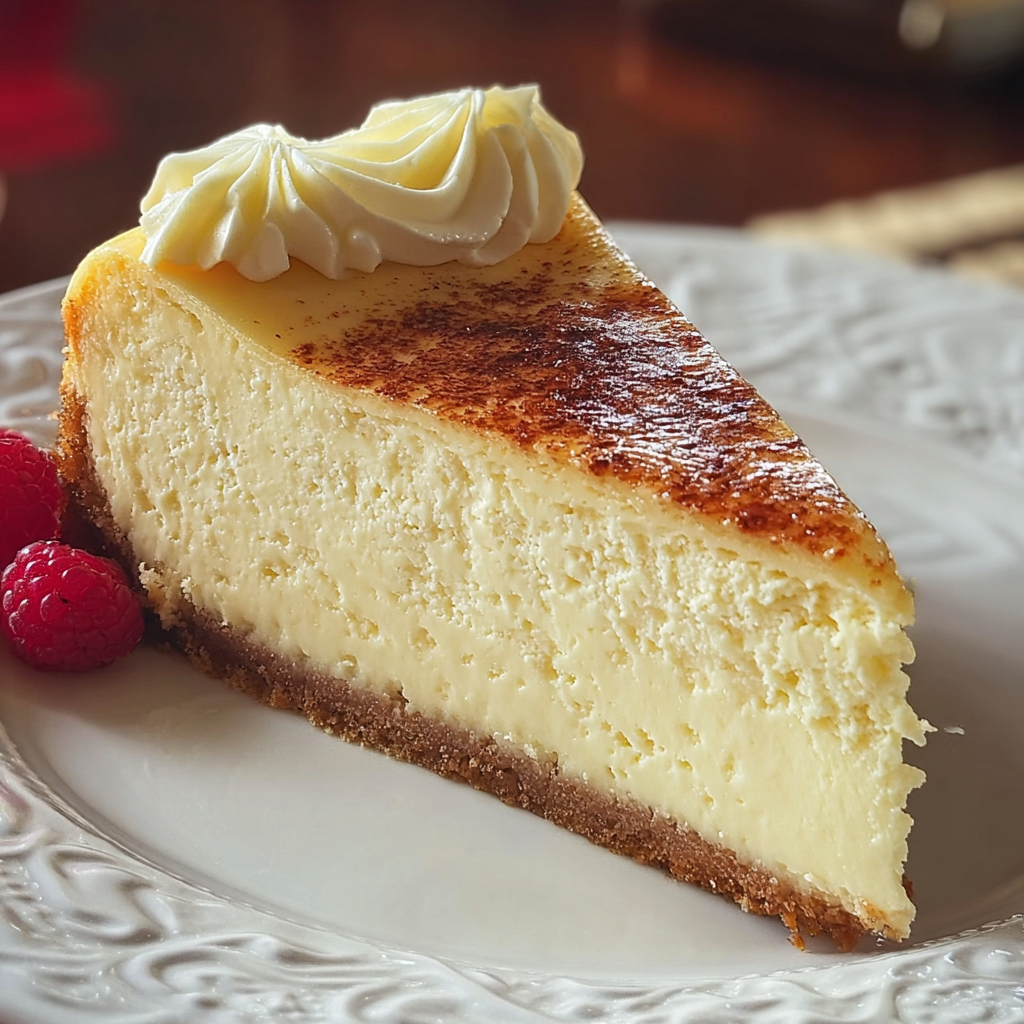
Classic New York-style cheesecake stands beautifully on its own, but consider serving it with a fruit compote or drizzle of chocolate sauce for added dimension. Fresh berries or a light dusting of powdered sugar can also accentuate the creamy texture while making for an appealing presentation. The enhancement of flavors can evolve the dining experience significantly.
FAQs
What if my cheesecake cracks during baking?
If your cheesecake cracks, it may be due to overmixing the batter or rapid temperature changes. To help prevent this, ensure you use room temperature ingredients and cool the cheesecake gradually.
Can I reduce the sugar in the recipe without affecting texture?
Yes, you can reduce the sugar slightly, but keep in mind that it may alter the sweetness and overall balance of the cheesecake. Consider adding a layer of sweetened fruit topping to compensate.
What adjustments should I make if I prefer a lighter cheesecake?
To achieve a lighter cheesecake, substitute some cream cheese with Greek yogurt or cottage cheese. These options will lower the fat content while still providing creaminess.
What can I do if my cheesecake turns out too dense?
If your cheesecake is overly dense, it may have been overmixed. Also, ensure that you don’t bake it for too long; an underbaked cheesecake should still have a slight wobble in the center.
Can I use a different pan instead of a springform pan?
A springform pan is ideal for easy removal; however, you can use a regular pie or cake pan but may need to serve it directly from there, as it won't be removable.
How can I make my cheesecake more flavorful?
For a flavor boost, consider adding citrus zest, spices like nutmeg, or different extracts like almond to your cheesecake batter. These will complement the original flavors beautifully.
Can I add fruit into the batter directly?
Fruits like blueberries or strawberries can be folded into the batter. Be cautious about their moisture content, as too much can affect the baking process.
Why is my cheesecake too watery?
A watery cheesecake often arises from too much liquid in the batter. Ensure accurate measurements of sour cream and cream cheese to maintain the right balance.
Conclusion
Creating a Classic New York-style cheesecake is a rewarding endeavor that pays off in flavor, texture, and satisfaction. With patience and care in each step, you’ll produce a luxurious dessert worthy of any occasion.
Remember that the key to a successful cheesecake lies as much in the ingredients as in the process. Whether enjoyed plain or dressed with fresh fruits, this dessert will elevate your culinary repertoire.
Recipe Card
Delve into the Delight of Classic New York-Style Cheesecake
Ingredients
Method
- Prepare the crust by mixing graham cracker crumbs and melted butter, then press the mixture into a springform pan.
- Preheat your oven to 325°F (160°C).
- In a large mixing bowl, beat the softened cream cheese until smooth and creamy.
- Gradually add sugar and beat until the mixture is light and fluffy.
- Add the eggs one at a time, mixing thoroughly after each addition before adding the next.
- Incorporate sour cream and vanilla extract, mixing just until combined.
- Pour the cheesecake filling into the prepared crust, smoothing the top with a spatula.
- Bake in the preheated oven for approximately 60 minutes or until the center is set but slightly wobbly.
- Turn off the oven and crack the door, allowing the cheesecake to cool for about an hour inside.
- Remove from the oven and refrigerate for at least 4 hours, preferably overnight, before serving.
Notes
Additional serving suggestions: pair with a crisp salad, garlic bread, or roasted seasonal vegetables for balance.
For make-ahead, prep components separately and assemble just before heating to preserve texture.
Taste and adjust with acid (lemon/vinegar) and salt right at the end to wake up flavors.